Almost four weeks into my Japan adventure and it feels necessary to bring up an uncomfortable conversation, but one that would have been handy to have had before arriving here; money. Before even setting foot in Japan I had read through countless web-pages including the delightfully handy; Tokyo Cheapo, detailing ways to get around the costly side of Japan. As with most sites however, I took these with a pinch of salt and remained optimistic that I could live frugally, after all I’d been doing just that at home for the last year of my life in preparation for this trip. I was thrifty and different, your rules couldn’t apply to me.
wrong.
Whilst I don’t mean to dissuade any potential travellers because Japan really is this incredible place; except for the re-ignition of whaling; treatment of dolphins; reckless use of single-use plastics; depiction of women in hentai (literally boke) – but more on my ethical concerns another time. I do mean to warn of the actual costs of living in Japan as a traveller, and state for the record that whilst this can be done with relatively tight purse strings, you need to be willing to concede some of your comforts and ££££ generally.
Accommodation
Shelter – the most important and biggest drain on that pretty savings fund that forced you to really begin enjoying the taste of Tennents back home. Great for solo travellers or a couple of mates but unfortunately for couples, the cheapest and most cost effective way to stretch your dolla in Japan is using hostels. Most range between £15-£20 a night, but I would urge any diligent traveller to download the booking.com app. From this we’ve managed to save a decent chunk of cash, bagging some places for as little as £8 a night and furthermore reaping the benefits of extended stays. Indeed, most places will offer a discount for an extended stay (usually over a week), something I would recommend particularly as prices go up over the weekends. Additionally booking.com (really not an ad. just really fkn handy) has a great rewards scheme offering a % discount on your upcoming stays after booking 5 stays or more through their site. This has been another great money saver, allowing us to match particular wants and standards with a reasonable price, because discounted rates are normally offered on hostels with high satisfaction ratings. The results have been so good that we (me bc I”m the control freak), were able to secure a double bed/private room in Nara for just £12 a night! That said, the general standards of Japanese hostels are SO high. Having experienced hostels in Europe and Fraser a few in London, we have both agreed that neither come close to the cleanliness and order applied to Japanese hostels.
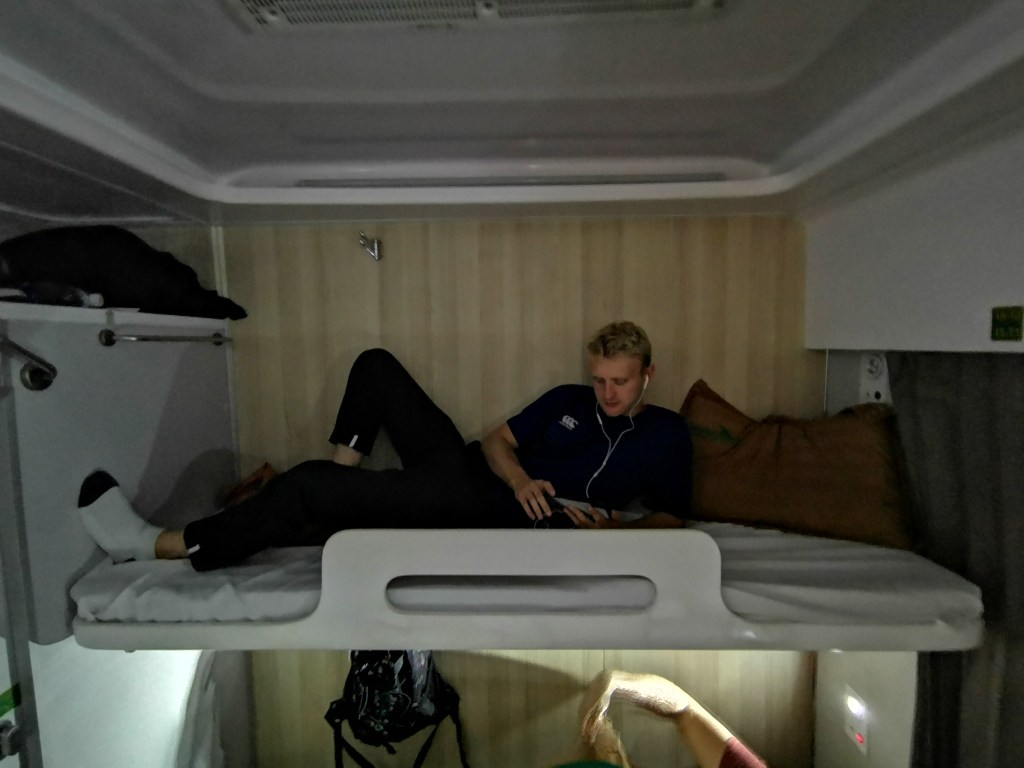
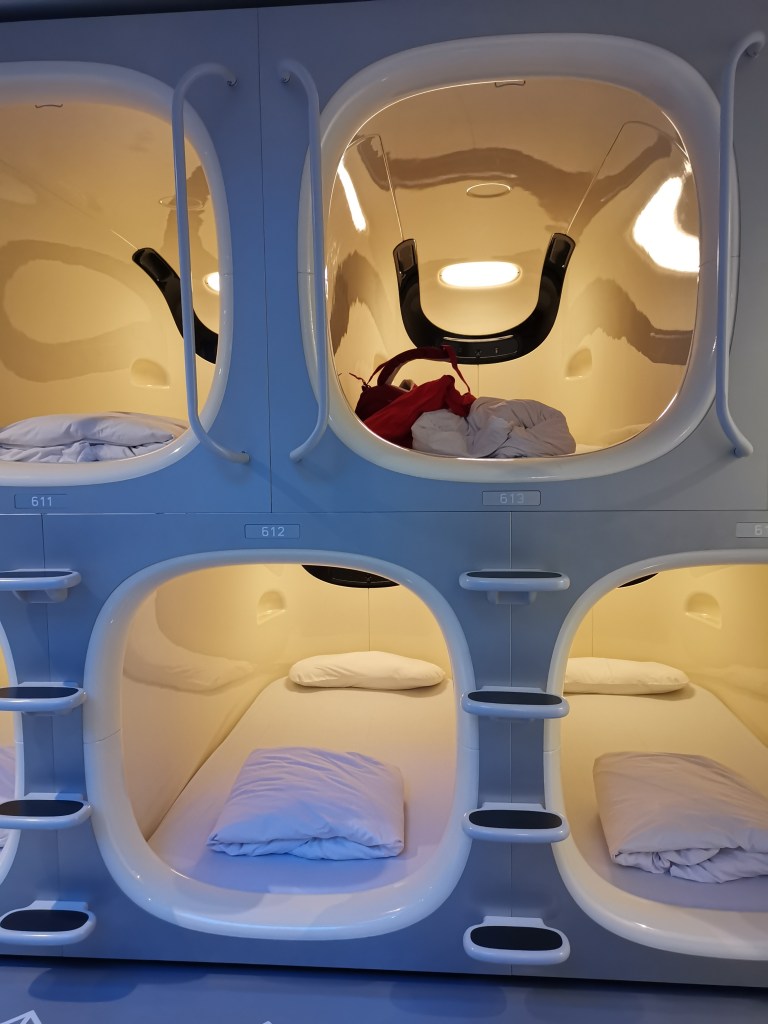
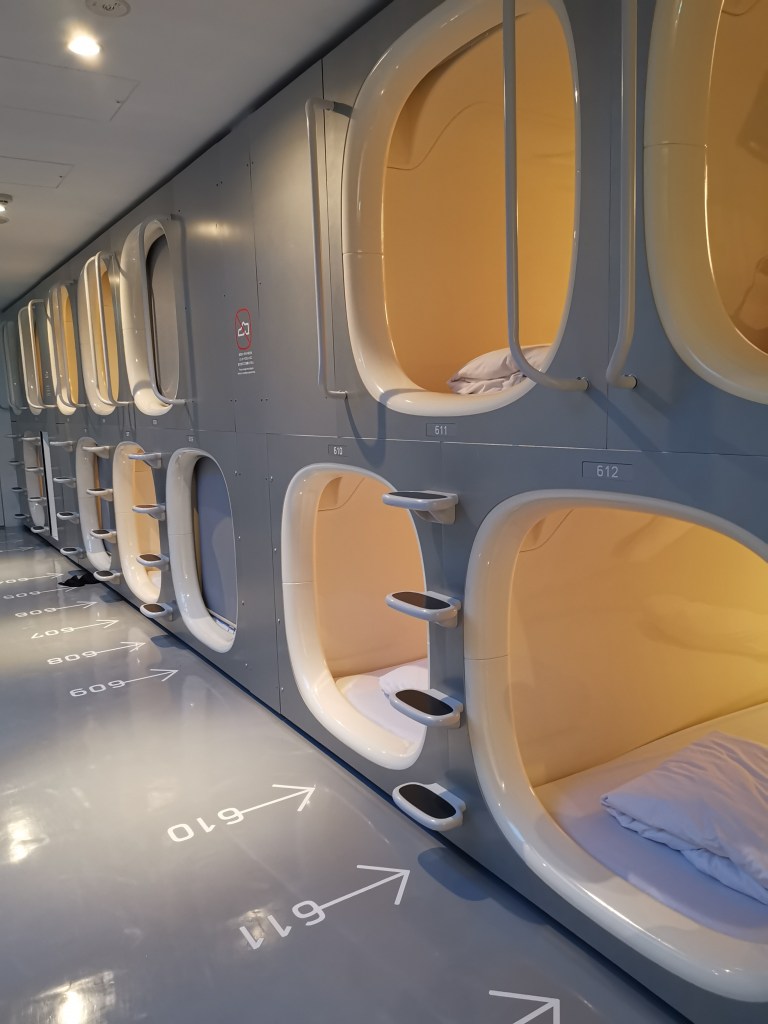
These places are literally cleaned daily without fail, the sheets are fresh and smell great, the showers have been so good that I’ve ditched my shower sandals and so many offer free toothbrushes/towels/soaps and shampoos + coffee. Another sell point to stress is that most Japanese hostels do not follow the bunk-bed formula; they feature as pods. That’s right, a little cocoon in the wall with sockets/lights/fans, albeit surround by many others, but with so much more privacy and shelter from the general snoring and gasses of randos.
Due to this we haven’t bothered with hotels or Air B&B – which FYI is extortionate here. Almost 6 hostels across 7 prefectures and none have been really all that bad. That said we have had our favourites. In Nippori’s Owl Hotel we got free apple juice/green tea/coffee on demand from a vending machine whilst the lobby was owned by a friendly owl; in Chiyoda the 9 Hours hotel felt like something out of Star Wars with its cool aesthetic; and in Nara we got a little kitchen to ourselves – our stay being outwith tourist hours. This stay was also particularly memorable thanks to the Hostel owner Hiloki who came running downstairs with a little TV on our final night to watch the Japan v Russia game with us. Finally, in Tabata the layout of the hostel made it impossible to avoid conversation with other hostel dwellers, to which I owe thanks for making new friends on this trip and ultimately staying sane – Fraser isn’t super up on the disaster that is British politics but all the non-British people we’ve met on the road are enjoying it – can you blame them? #colonialism
SO if you’re heading for Japan save yourself some yen and book a pod, they’re homey, characteristic and whilst you may still require ear plugs/accidentally wack a big american geezer with your bra, you will save money without compromising too heavily on comfort – because realistically you’ll need money for the real deal in Japan; food n bev.
Food and bev’
If you have any sense you’ll acknowledge that a hostel is simply a place to store your crap and rest your head for a few hours and that the real living happens everywhere else but the hostel – and when it comes to Japan, food and alcohol are worth saving your money for. I’ve already had a bitch + moan about food in a previous blog and made the necessary compromises in order to survive here – and with that hurdle cleared I can start praising the food here at last.
Food here is, INCREDIBLE AND PREDOMINANTLY HEALTHY AND IT WOULD TAKE TOO LONG TO DESCRIBE ALL THE WONDERFUL THINGS THEY MAKE HERE… AND I DON’T REALLY EAT MEAT SO I LITERALLY CAN’T DESCRIBE ALL THE FOODIE THINGS THEY DO HERE but fuck, the food is integral to the culture and you really should not miss it or compromise trying it.
So being a vegan or vegetarian here is fairly tricky, veganism is still an upcoming trend but that said I could only ever find 3 types of fairly pricey tofu when living in Dundee. If, unlike me, you refuse to budge on your food principles – which is totally fair because I still feel some guilt over my choices – you can get by, but only just. Essentially vegetarianism barely exists here, you’re either a vegan or you’re not. Vegan meals are available in some places – particularly in relation to tempura/ramen/udon – but you have to really have to check with restaurant itself, which often doesn’t go well because the term “bejitarian” is so relaxed here that you could order a vegetarian ramen, clarify that there’s no meat in it (even in japanese) just to get a slab of pork on top. Also, most places use meat-related ingredients in the broths and sauces so check AGAIN for those with a server. Finally, vegan meals usually cost double what the non-vegan meals cost.
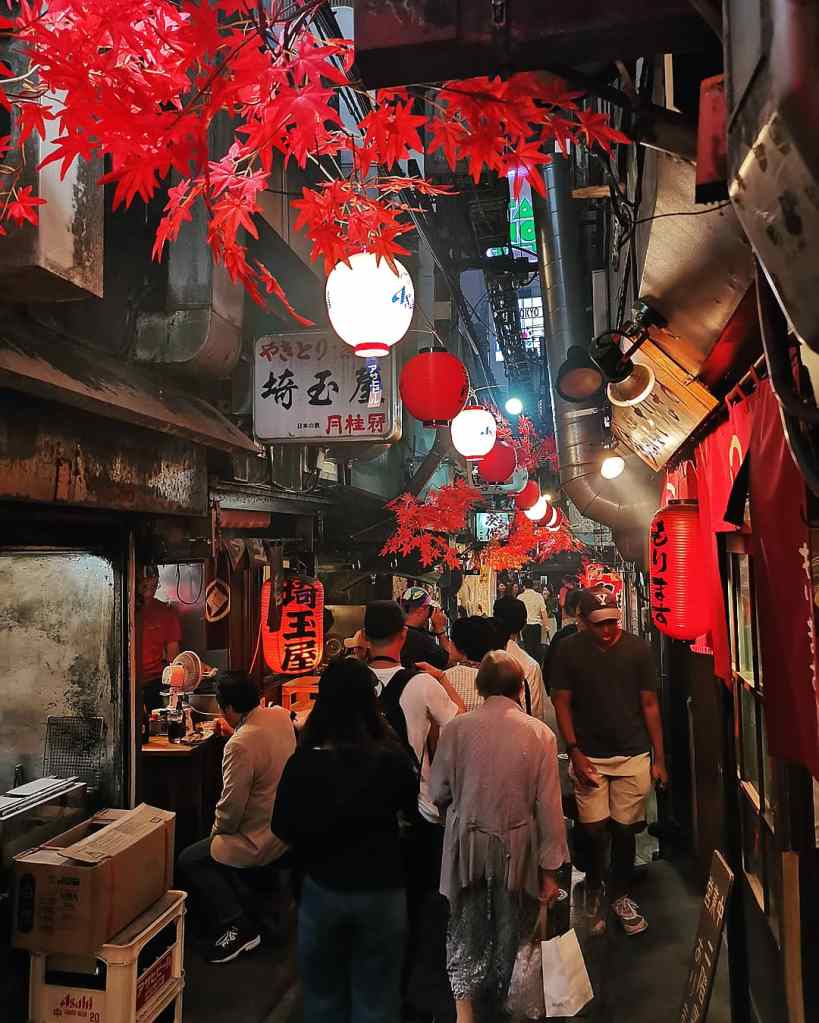
It is for precisely this reason and for the limited options available that I chose to go pescetarian for the remainder of my time here. Fish and meat-based meals are often much cheaper and less fuss than the very few vegan alternatives, and furthermore most vegan places tend to be chains. As such, most of these places whilst being pricey also seriously lack the authentic experience you can get for a few quid in a quirky alley in Shinjuku – and tbh why else are you even in Japan if not for this.
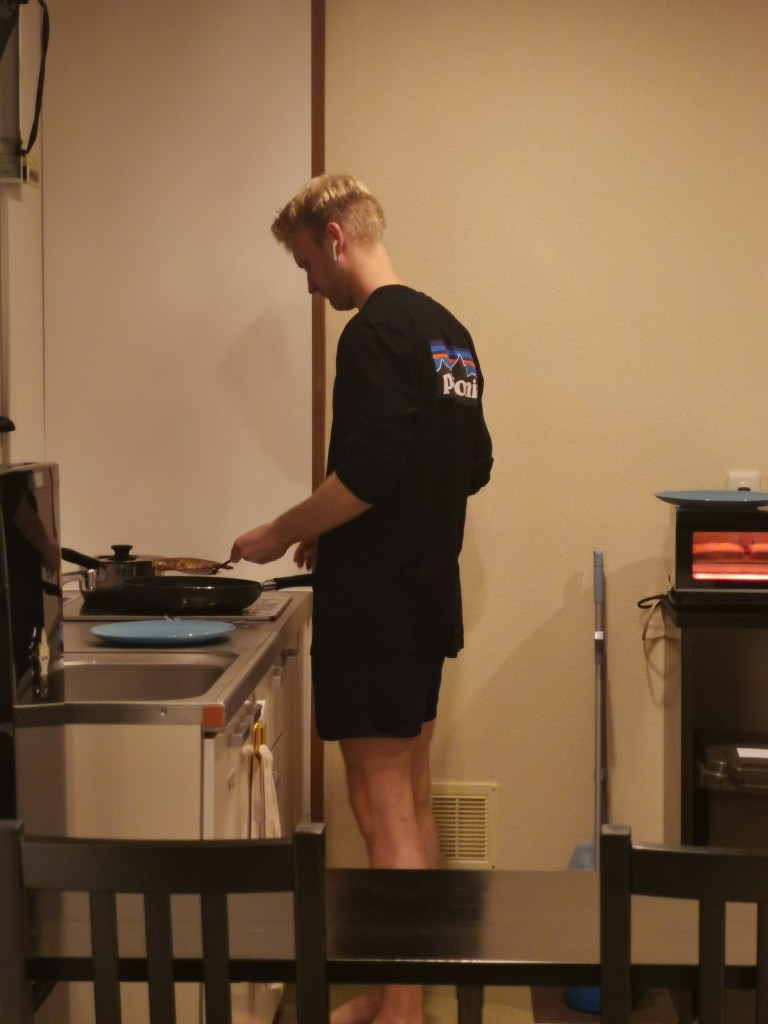
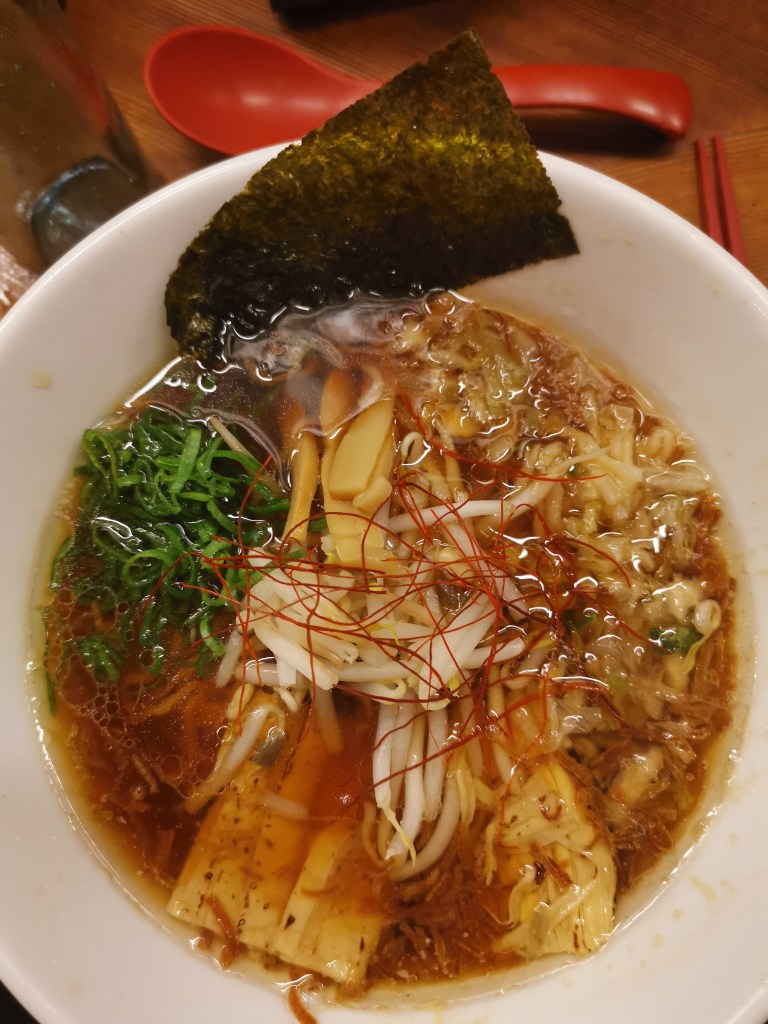
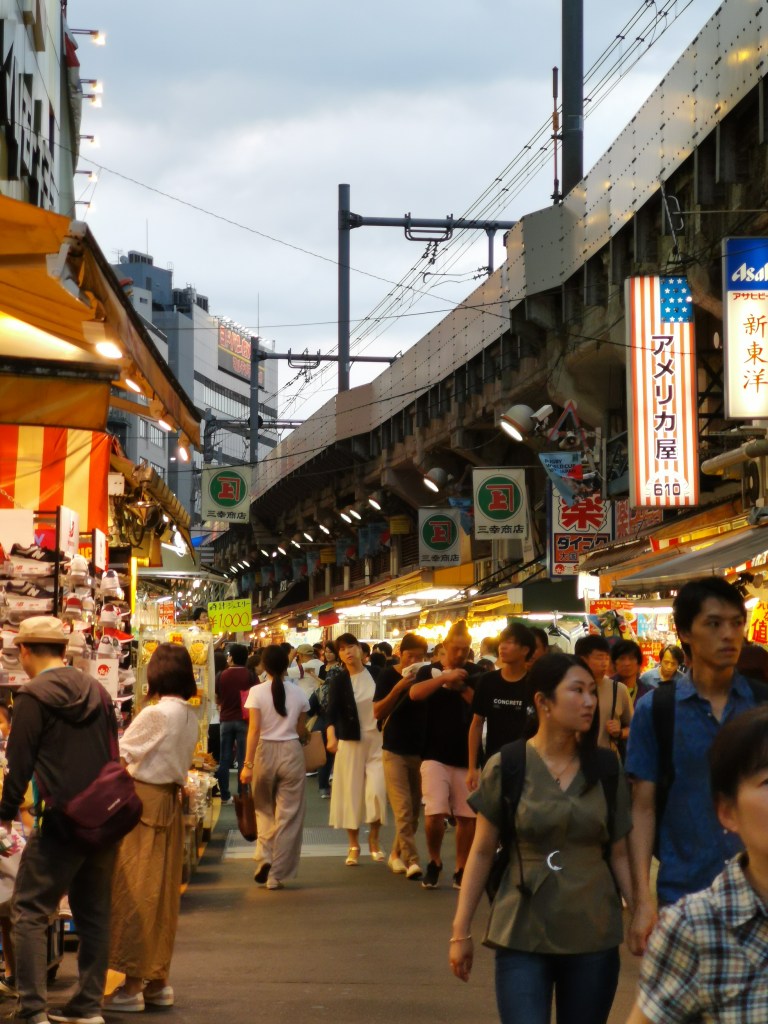
So, if you’re a meat-lover Japan is your sanctuary, but this doesn’t mean that you can always get meals cheaply as Fraser, my meat-loving boyfriend, has found. Like anywhere the cost of food can mount if you aren’t careful and particularly more so where few hostels provide a full kitchen for cooking. To counteract this we agreed some basic compromises in order to enjoy the most of Japan’s food scene without going overboard. Firstly, we have found that breakfast in Japan is not as big as breakfast/brunches are at home, in answer to this we have stuck to rounds of toast in the early morning and 7 Eleven rice balls which are seriously good for energy and normally cost about 80p here. This may sound far from glam but such is the budget-eers life. What we lose in breakfast – if we don’t have this nearer lunch (which we often do) we normally make up for in ramem or udon. As a basic princple here noodles + soup = very filling, and most of these meals are limited to 800yen (£5 ish). Finally, for a budget dinner we combine supermarket findings with market findings. I really cannot stress enough how great and cost-effective Japanese market food is. The markets here span multiple blocks, offer almost anything you could possibly want and sometimes before you even know you want it. Moreover, most of these small stalls offer their treats for neat little prices allowing you the ability to try local food for far less than a full-on restaurant. C O M P R O M I S E.
Examples from personal experience:
Yanaka Ginza (tokyo)
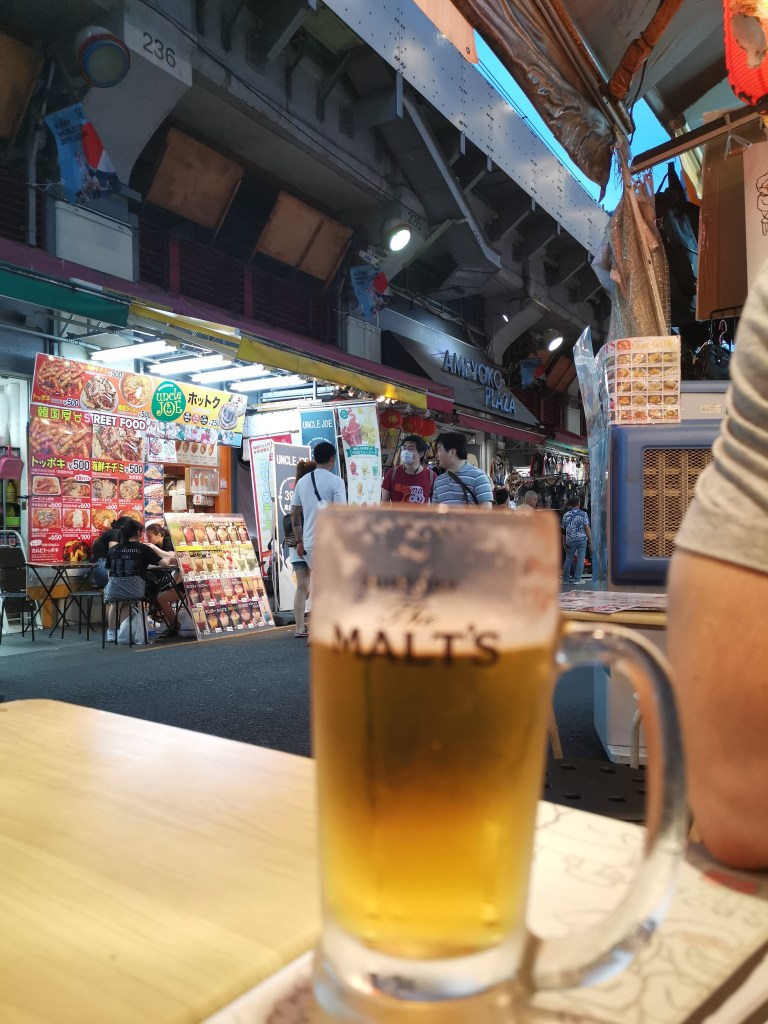
Ameya Yokocho (tokyo)
Nakamise Dori (tokyo)
Nishiki (kyoto)
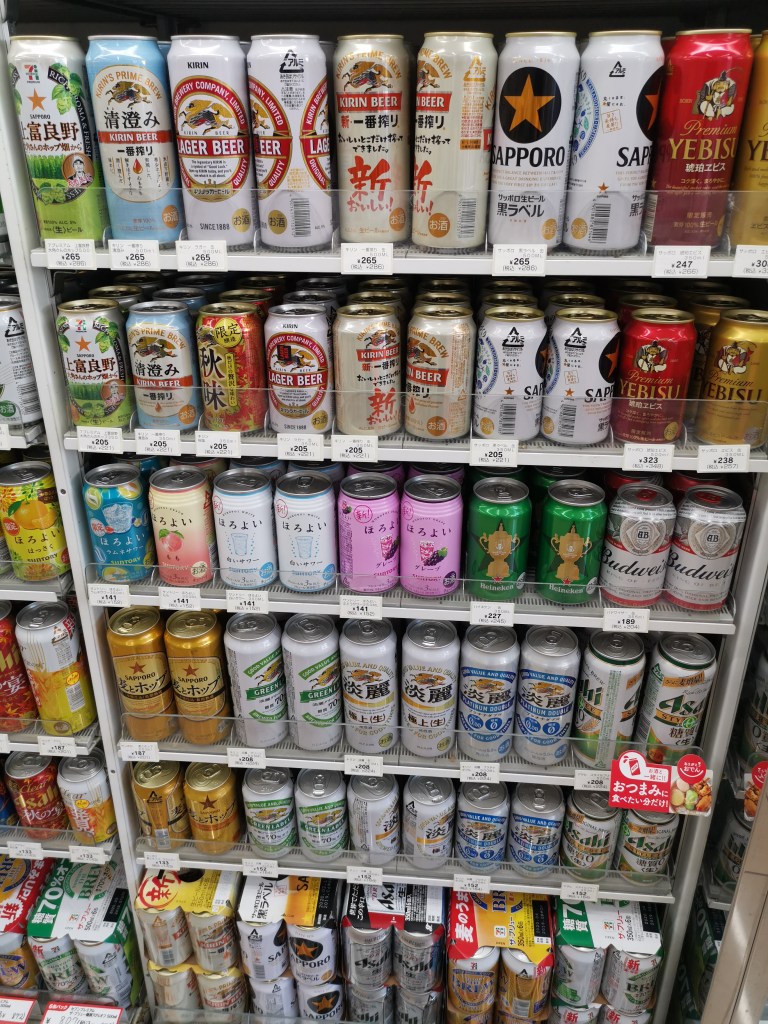
And finally, alcohol. Wine/spririts and sake are all cool but can be pricey if you have weak limits like myself. To avoid this trap I’ve focused my alcoholic notions on the big B; beer, which happens to be super popular here anyway. Kirin, Asahai, Yebisu, Sapporo – all heroically refreshing in the heat and all usually only costing 500yen (£3.50) per stein. If you want to reduce your costs even more and feel like a local there’s off-license stores everywhere with no limit on the sale of alcohol or times when you can buy. Also it’s actually pretty common here to drink outside in parks or on the side of a river without feeling like rebellious teen, as we found out a few nights ago. Sat next to a chain of locals simultaneously enjoying a cold wan, a musician appeared out of nowhere and suddenly, entertainment!
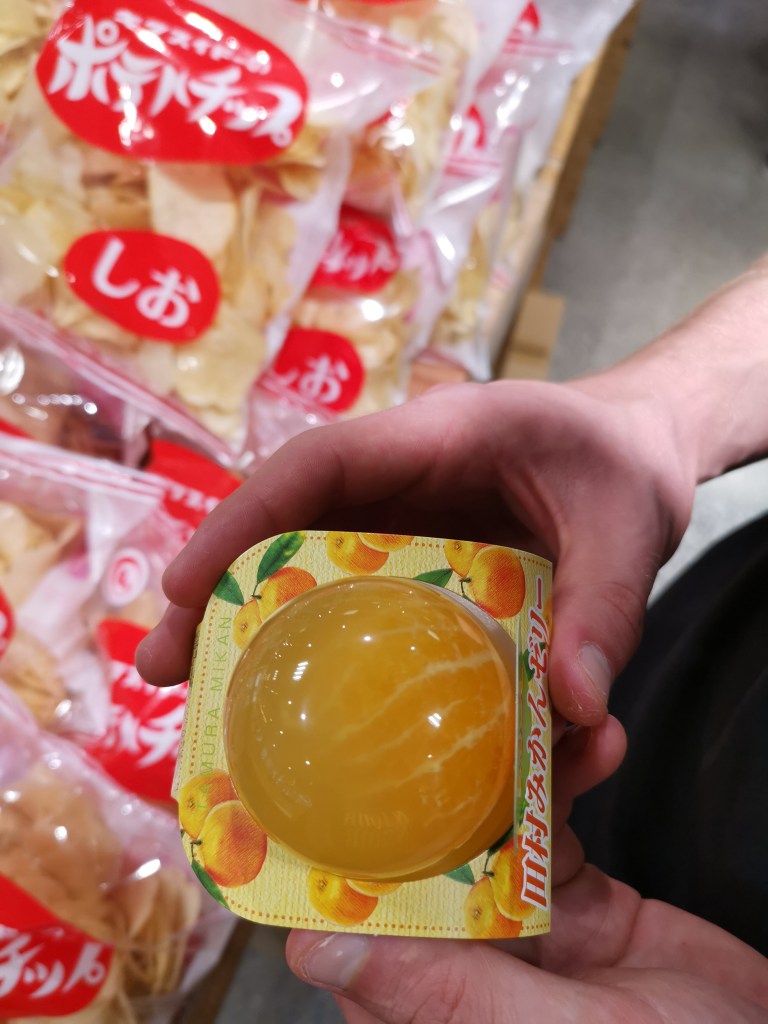
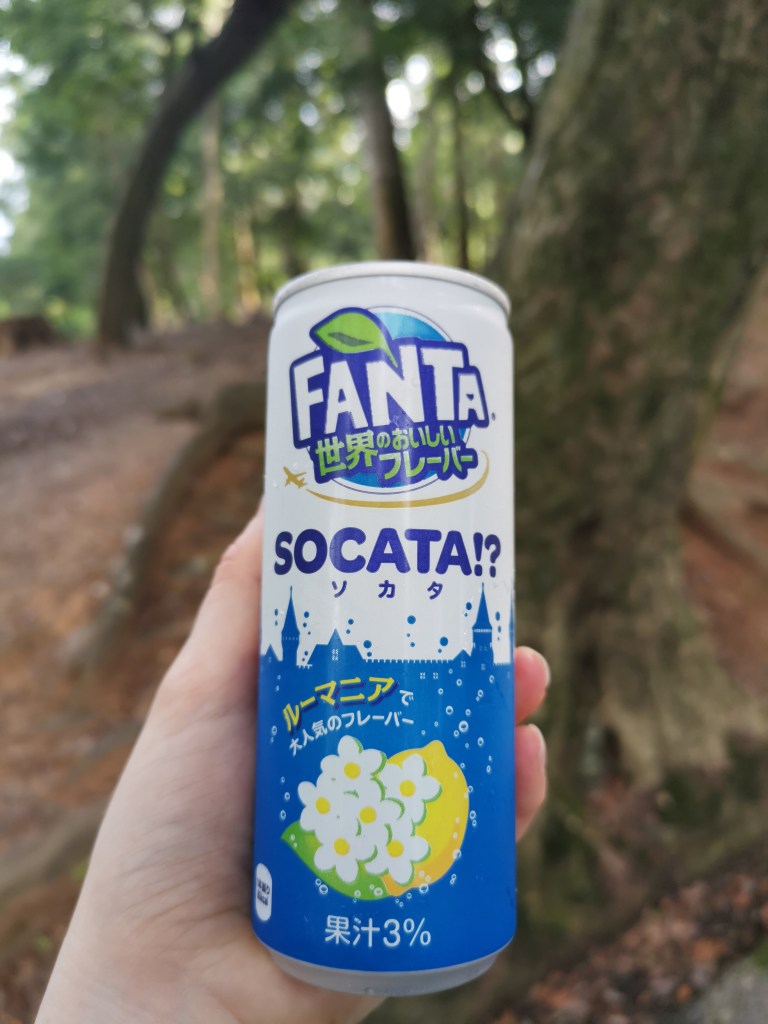
That said there’s so many cool drinks here to indulge in that aren’t alcoholic and even a bit cheaper than that. Fraser and I have taken to halving unusual Fanta flavours whenever we find them (gotta catch em all?), and the Japanese clearly love peach because peach-flavoured drinks take up the majority of vending machines here. I’m not complaining.
Excursions
Last but not least, the actual living outside of the basic needs. I was originally really concerned that our activities would cost a ridiculous amount but as with any determined cheapskate, it can be achieved at a cost effective rate. Primarily, Japan is plagued with an enormity of temples and public spaces, most of which are; FUCKING FREE. In between these and the fun of the food markets, the graveyards are fairly interesting if, like me, you’re down for that morbid stuff. Museums here are usually fairly cheap (800 yen is the most we have paid for any museum), and any bar or tea house can be a cheap thrill if you control yourself.
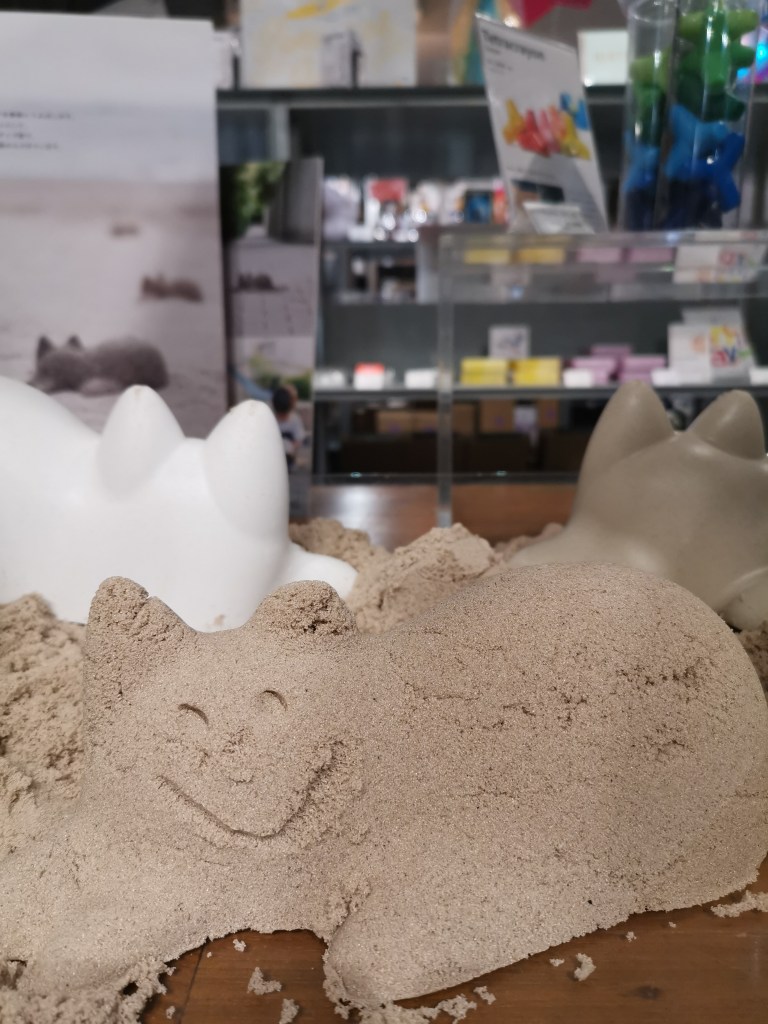
Outside of this Japan is notorious for its department stores. Places like Loft, Don Quijote and many others have answers to the problems you didn’t even know you had and can make for some serious entertainment. Much like Ikea it is possible to spend an hour or two inside making cat-sandcastles.
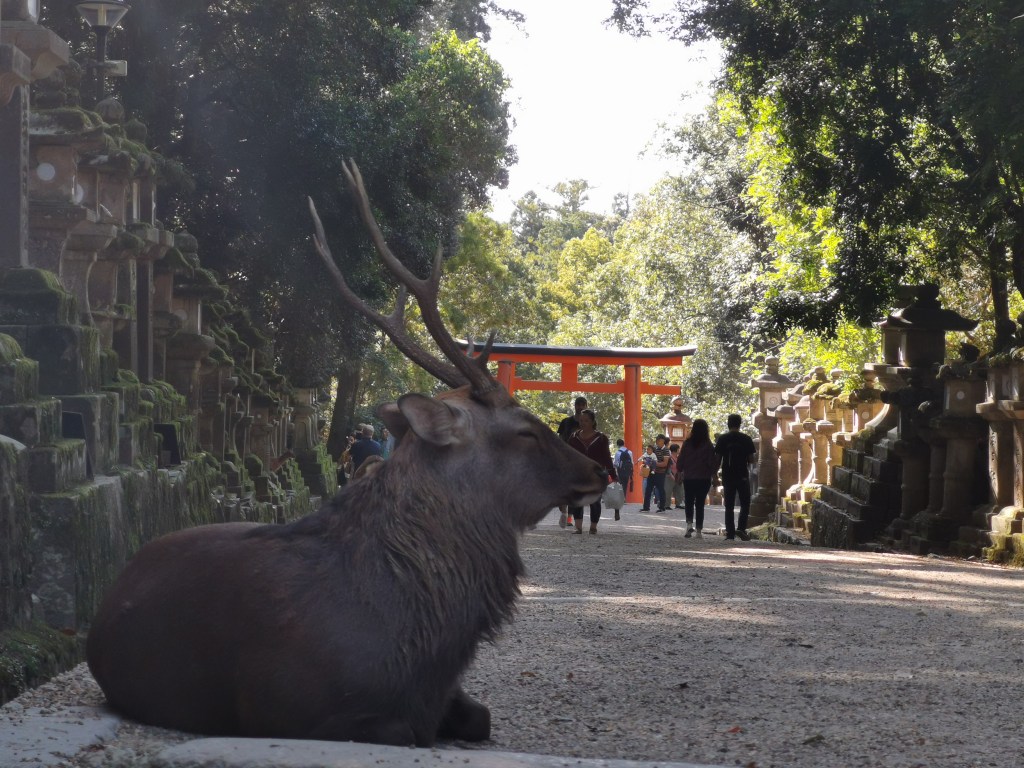
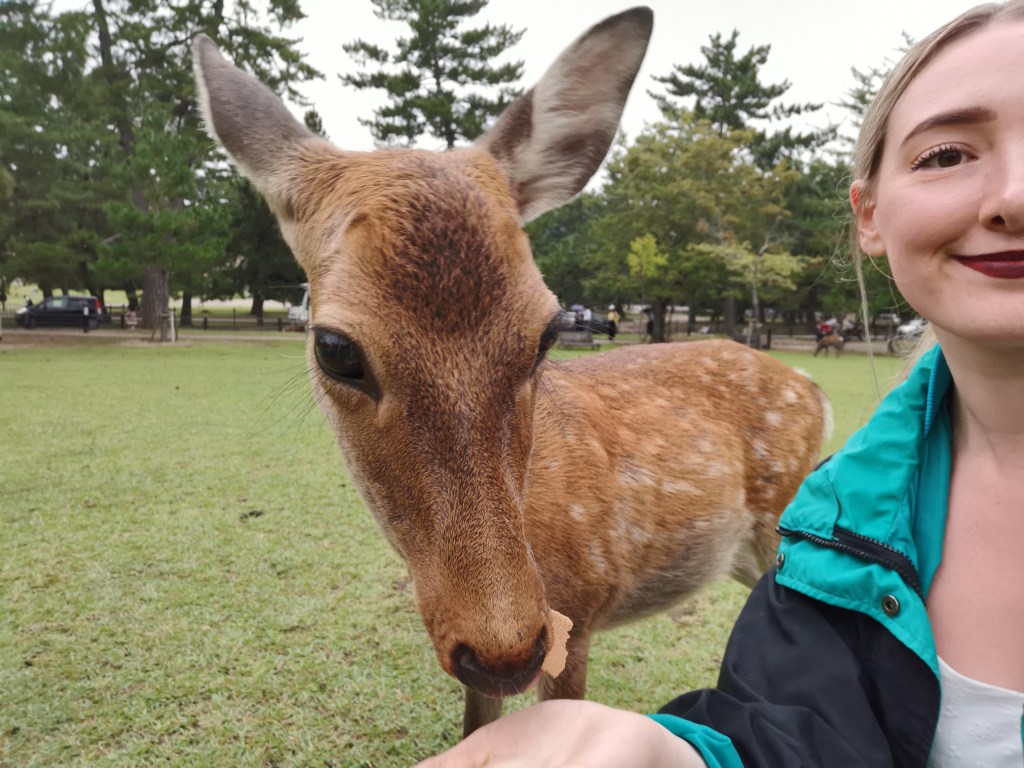
If you really want to limit your funds or truly invest in the food however, the best answer is just to enjoy the districts for what they are. Chiyoda in Tokyo is nicknamed the book district for it’s back-to-back book stores; Harajuku is a culture enclave for fashion and second-hand stores; Ginza is full of designer stores to ogle at if it doesn’t depress you; Nara is a giant deer petting-zoo for only 150 yen (deer cookies optional) and Gion in Kyoto is an old Geisha district full of free food samples.
(the jury is still out on Osaka, i’ll know in a week)
Summary
In conclusion (how many essays have I ended this way bloody hell), Japan can be expensive for basic living yes, especially when compared to our next stop Viet- £2 a night hostel -nam. It can however, be done cheaply if you research, compromise and have restraint – shocker right?
But the kicker is that whilst this is true, Japan is not cheaper in the long term.
Originally we had planned to spend 2 months here but conversation with some of the locals here has revealed that Rugby World Cup season was a bad time to visit, as costs, even for local people, have gone up in response to the influx of tourists. Our response unfortunately has been to curb our time here as even cost-effective living has proven nowhere near as cost-effective as other upcoming places appear to be. So by October 5th we’ll be en route to Vietnam for some sea and £2 hostels – but not as a result of our reckless spending, simply to maintain the longevity of this trip because we have another 4 countries minimum to go. Yikes.
























 Fu***ing off; a personal tale of travels, triumphs and travesties.